Cabin suitcase or cabin bag: how to choose the ideal luggage for air travel
Choosing between a carry-on suitcase and a carry-on bag affects your comfort at the airport, the protection of your belongings, and sometimes the cost of your trip. This practical guide helps you decide based on your itinerary, priorities, and packing tips.
Cabin suitcase or cabin bag: understanding the differences

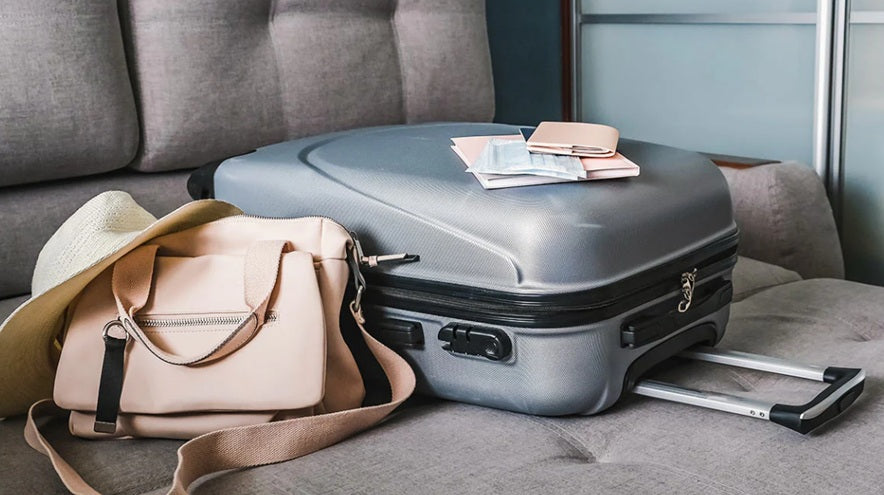
The cabin suitcase
A rigid or semi-rigid container equipped with wheels and a telescopic handle. It provides better protection for electronics and fragile items, offers a stable shape, and facilitates passage through airport size restrictions.
- Superior protection (shell)
- Internal organization (straps, pouches)
- Wheels: comfort over long distances
The cabin bag
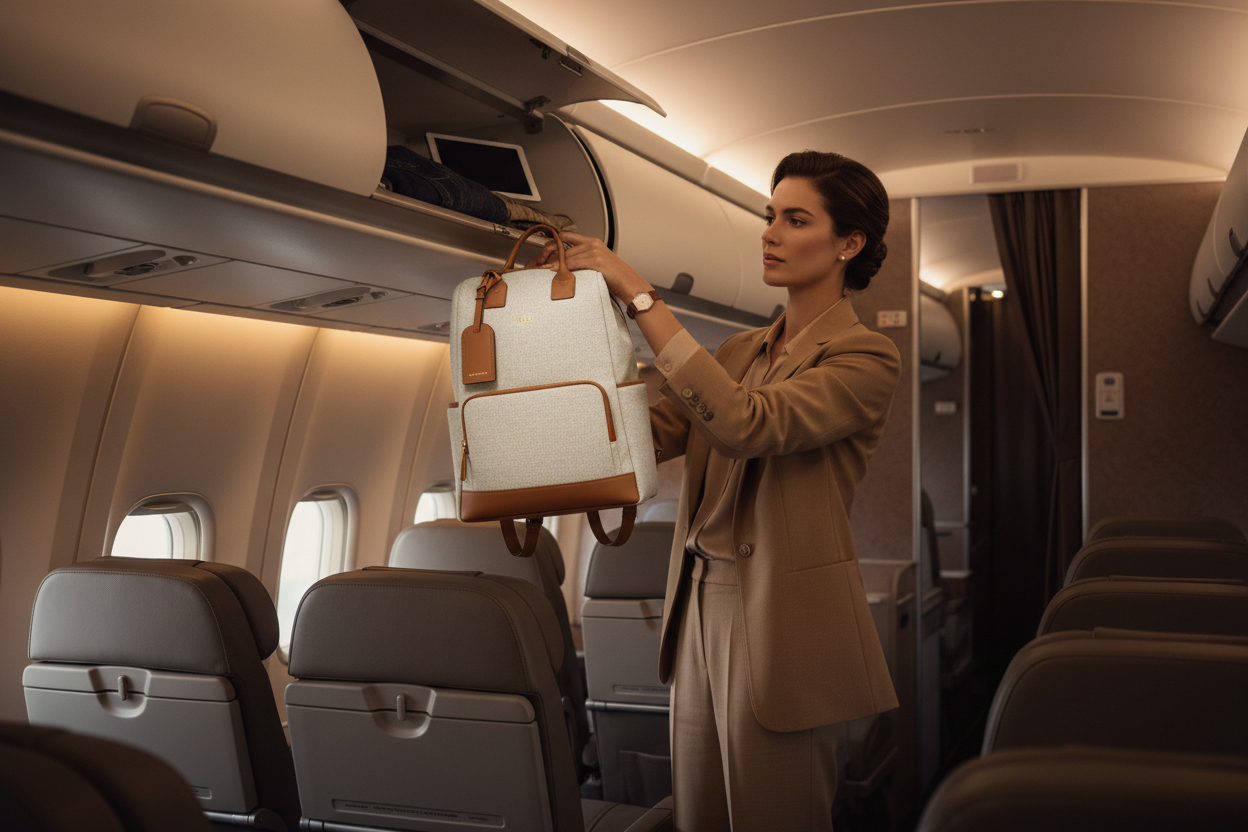
Flexible and compressible, it can be worn over the shoulder or on the back. It fits easily under the seat, is lightweight when empty, and allows quick access to essentials.
- Very mobile and lightweight
- Immediate access to current documents and objects
- Ideal for connecting flights and short stays
Key takeaway: a suitcase prioritizes protection; a bag prioritizes mobility. Your intended use will determine the choice.
Dimensions and weight: what you need to check
There is no universal standard: each company publishes its own limits. Here are some commonly encountered guidelines:
- Cabin suitcase : ~55 × 40 × 20 cm (variants: 55×35×25, 56×45×25)
- Under-seat bag : ~40 × 30 × 20 cm
- Typical weight : 7 to 12 kg in economy class
Before departure, check your airline's baggage policy. If you're using multiple carriers, follow the strictest rule: measure and weigh your luggage once it's packed.
Advantages and limitations of each option
Why choose a cabin suitcase
- Optimal protection for electronics and fragile items
- Stable shape, more predictable transition to the correct size
- Wheels and handle to save on carrying
Limitations: sometimes high unladen weight; may be less practical on stairs.
Why choose a cabin bag?
- Lightweight, compressible and easy to slide under the seat
- Quick access to essentials (documents, charger, kit)
- Convenient for short stays and connecting flights
Limitations: less protection; unstable shape if too full.
What luggage do you need depending on your type of trip?
Urban weekend
Cabin bag if you are walking and using public transport; compact suitcase if you are carrying a camera or fragile souvenirs.
Business trip
Rigid cabin suitcase with computer pocket: clothes and documents protected, professional image preserved.
Road trip / car
A cabin bag fits better in a trunk; a hybrid bag (straps + wheels) may be the solution.
Multi-company itinerary
Choose a conservative size (e.g., 55×35×20 cm) to avoid unexpected costs.
Family with children
Organize each suitcase with individual pouches to simplify access and speed up transitions.
Decisive criteria for choosing
- Empty weight: a useful margin for the contents (suitcase < 3 kg ideally).
- Protection: hard case or padded compartment for the computer.
- Comfort: recessed wheels, stable handle, ergonomic shoulder straps.
- Internal organization: straps, easily accessible pockets — avoid unnecessary partitions.
- Durability: check warranty and availability of parts (wheels, handle).
Optimize space and respect the cabin
- Roll your clothes to save space and reduce wrinkles.
- Use packing cubes to compartmentalize (tops / bottoms / underwear / cables).
- Place dense objects in the center for better balance.
- Prepare the compliant 100ml toiletry bag and store it in a transparent pouch.
- Keep emergency clothing, medications and documents within easy reach .
Before leaving, close, measure and weigh. Adjust if necessary to avoid excess baggage fees.
In-store and online shopping checklist
In store
- Measure the suitcase when it's full and test the handle and the rolling mechanism.
- Check the quality of the closures and interior pockets.
- Check the lock and TSA compatibility if necessary.
Online
- Read the measurements and the empty weight, not just the marketing description.
- Compare the cost of extra baggage with the price of the product.
- Check the return policy and delivery options to test it at home.
Reliable formats for worry-free travel
Some recommended versatile formats: suitcase 55 × 35 × 20 cm (prudent size), soft suitcase 55 × 40 × 20 cm, under-seat bag 40 × 30 × 20 cm and hybrid bags with straps and wheels for mixed use.
Frequently Asked Questions
- What are the most common dimensions for cabin baggage?
- Generally 55 × 40 × 20 cm or 55 × 35 × 25 cm for the suitcase; under-seat bag ~40 × 30 × 20 cm.
- What is the maximum permitted weight?
- Between 7 and 12 kg in economy class depending on the airline.
- What happens if my luggage exceeds the limit?
- It can be put in the hold for an extra charge; it is best to plan ahead and pay for the option online if possible.
- How to remain compliant?
- Measure and weigh your full suitcase, limit liquids and keep essentials within easy reach.