Luggage security for travel: how to protect your belongings in the cabin and in the hold
When traveling, luggage security isn't just about the risk of theft. It also includes opportunistic openings, loss of identification, damage in the hold, and organizational errors that give your belongings easy access. In this guide, you'll understand what to do and in what order to protect your things without complicating your trip.
Summary
- Why travel baggage security is essential today
- The TSA lock: securing without blocking security checks
- Suitcase strap: visible and additional protection
- Suitcase cover: additional physical protection
- Luggage tag: smart identification
- Travel backpack: cabin security and anti-theft
- Passport protector: document security and RFID protection
- Mistakes that negate all travel baggage security
- What organized travelers want to know
Introduction
There's a major difference between carry-on and hold luggage . In the cabin, you keep control of the essentials, but crowded areas (queues, boarding, transportation) encourage pickpocketing. In the hold, luggage is out of sight: it's subjected to handling, stacking, friction, and sometimes security checks. The best strategy is to combine protection , deterrence , and identification .
Why travel baggage security is essential today
Most incidents don't resemble a dramatic scenario. They're more like quick actions: a half-open zipper, luggage "taken by mistake," an illegible tag, or a bag left unattended for thirty seconds. The most effective response isn't a single accessory, but a smart combination .
Think in "layers": locking (padlock), stabilization (strap), and identification (tag). This triad covers the most frequent risks without adding unnecessary complexity to your routine.
The TSA lock: securing without blocking security checks
A TSA lock allows authorized agents to open luggage during inspection and then relock it without breaking the lock. In practice, it's a common-sense measure for checked baggage: it reduces the risk of forced entry during inspection. In the cabin, it primarily serves as a deterrent and protects the zipper from being opened by opportunists.
Before leaving, do a "10-second test": lock, operate, verify the code, then open/close. This will prevent 90% of lockouts when you're in a hurry.
Discover the selection: TSA padlock collection .
Suitcase strap: visible and additional protection

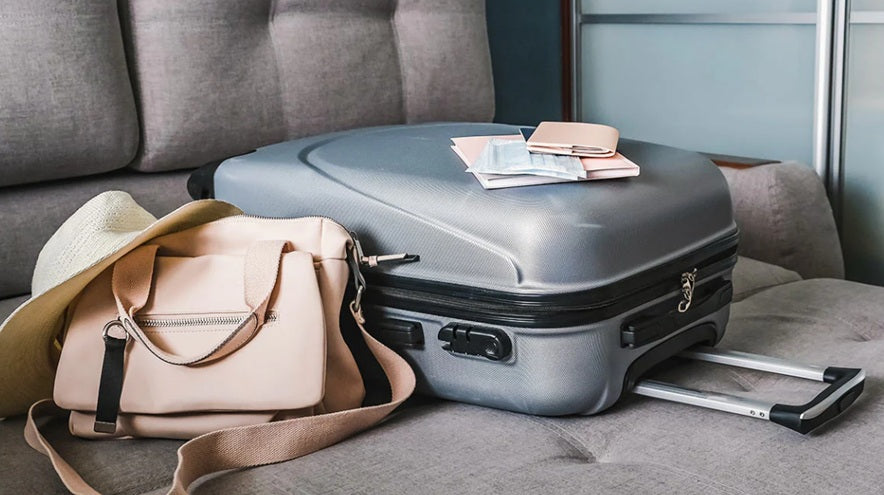
A suitcase strap stabilizes the closure and limits accidental openings during handling. It's also a simple deterrent: it slows down access and makes it more visible. The most effective combination for checked baggage remains: a TSA lock and a strap . As a bonus, a strap facilitates identification on the baggage carousel.
See: suitcase strap collection .
Suitcase cover: additional physical protection
The cover primarily protects against scratches , dirt, and scuffs . It can also make opening the suitcase a little more difficult, but its main purpose is to preserve its condition and improve identification. If you frequently travel with luggage in the hold, it's a worthwhile accessory: the suitcase ages better, and you reduce the risk of confusion on the baggage carousel.
Choose a cover that fits properly: too loose, it will lose its shape and effectiveness. Too tight, it will wear out faster. The goal: even tension, without wrinkling.
See: suitcase cover collection .
Luggage tag: smart identification
A luggage tag remains one of the best tools for retrieving lost luggage. The common mistake is to include too much personal information. The safest compromise is name and phone number (or email address ), without a full address. Also, add an identification card inside the luggage: it's simple and very effective.

See: luggage tag collection .
Travel backpack: cabin security and anti-theft
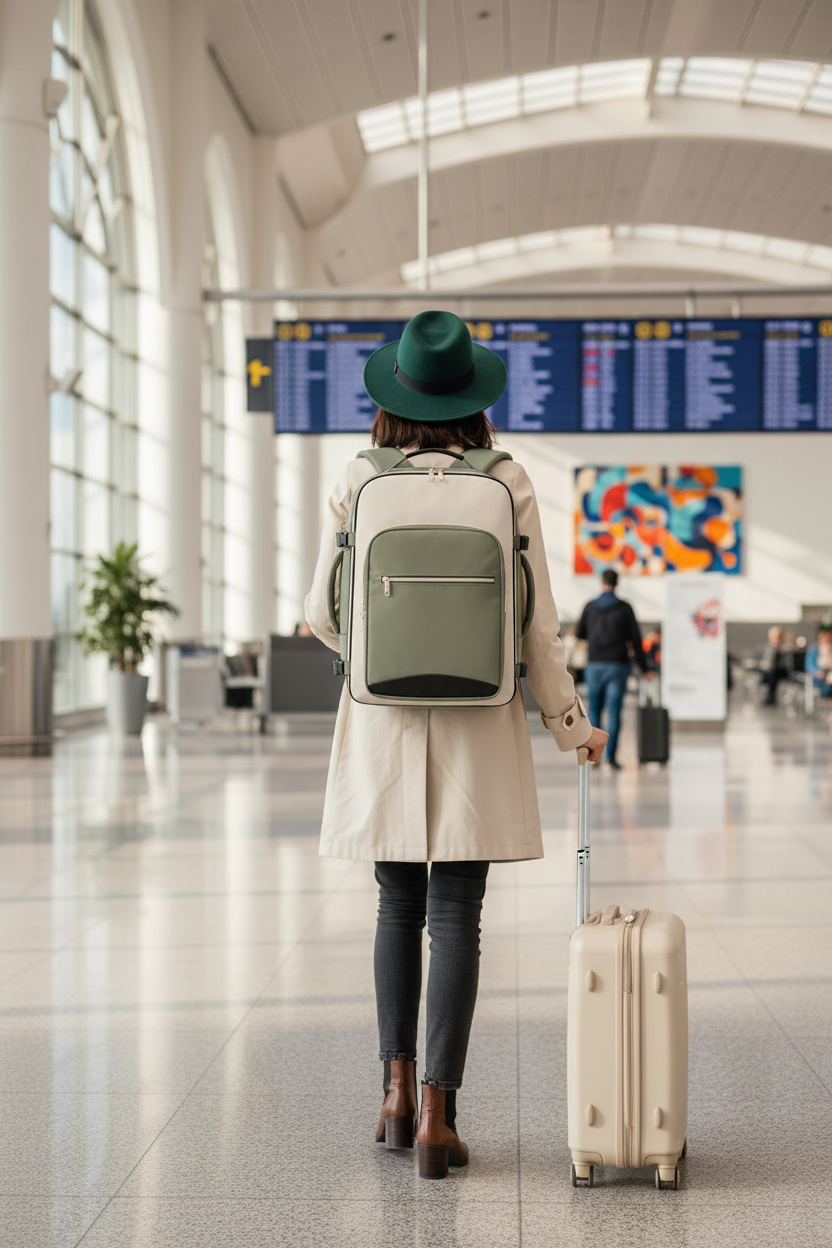
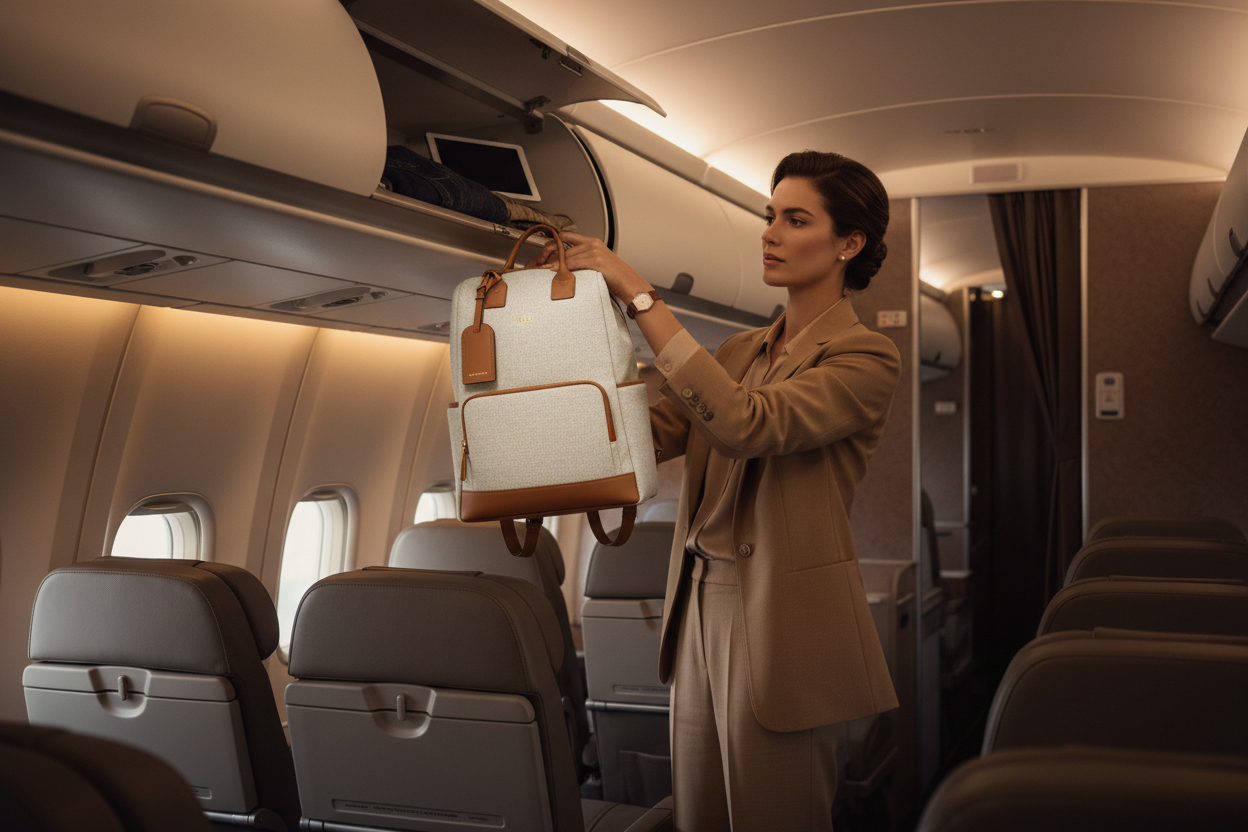
In the cabin, security depends as much on the bag itself as on how it's accessed . A well-organized bag limits the risk of quick openings: internal pockets, compartments close to the back, and less exposed zippers. In queues and on public transport, avoid external pockets for your valuables (documents, wallet, phone).
To strengthen this category (priority): travel backpack collection .
Passport protector: document security and RFID protection

A passport holder serves both to protect your documents (from wear and tear, humidity) and to organize your essentials (passport, cards, tickets). RFID models add a layer of protection against contactless reading, useful in busy environments. The real benefit: less stress , because everything is centralized and ready to be presented.
See: passport protector collection .
Mistakes that negate all travel baggage security
- Choosing a lock that is too fragile or poorly suited to the type of closure.
- Installing a strap that is too loose: it becomes decorative.
- Displaying a full address on the label (unnecessary risk).
- Put valuables in the hold (documents, electronics, jewelry).
- Failure to check the condition of accessories before departure (forgotten code, worn strap, illegible label).
Lock: OK. Strap: tight. Label: legible. Documents: grouped. Valuables: in the cabin. This simple routine greatly reduces incidents.